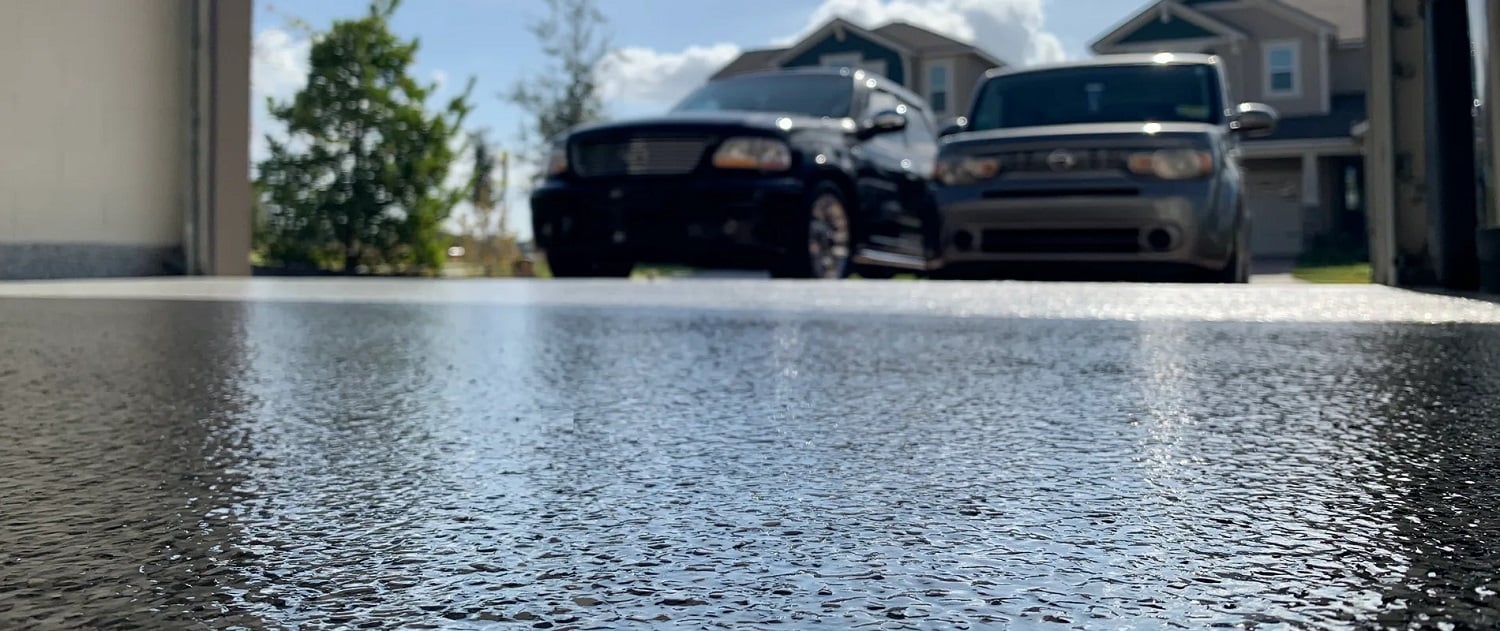
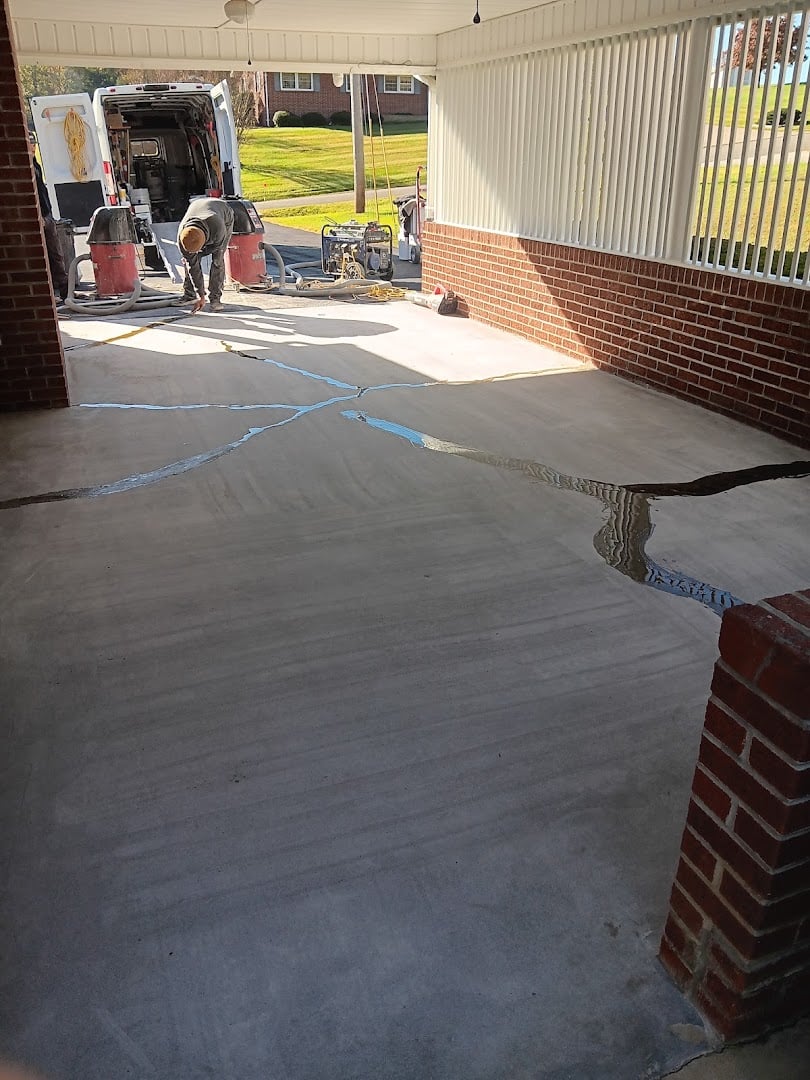
Quick answer: Rubber pool decks outperform traditional concrete in most Greeneville TN backyards because they stay cooler underfoot, resist cracking, and provide better slip resistance around wet surfaces. Concrete remains the cheaper upfront option, but it often requires more frequent repairs due to Tennessee's freeze-thaw cycles and summer heat.
Key Takeaways
- Rubber pool decks stay significantly cooler in direct sunlight than concrete, making them a safer choice for bare feet during Tennessee summers.
- Pool deck resurfacing with rubber coatings can extend the life of an existing concrete deck without the cost of a full tear-out and replacement.
- Concrete is more budget-friendly at installation but tends to crack over time, especially with Greeneville's seasonal temperature swings.
Choosing between rubber and concrete for your pool deck isn't just about looks. It affects how your feet feel on a July afternoon, how often you'll need repairs, and how your deck holds up against Greeneville's humid summers and chilly winters. Homeowners across East Tennessee are increasingly asking whether it's worth switching from traditional concrete to a rubber surface, especially when resurfacing an older deck that's starting to show cracks and wear.
This guide breaks down the real differences between rubber pool decks Greeneville TN homeowners are installing and the traditional concrete decks that have dominated backyards for decades. We'll cover comfort, durability, safety, maintenance, and cost, so you can decide which surface fits your pool, your budget, and your family's needs.
What Makes Rubber Pool Decks Different From Concrete?
Rubber pool decking is a coating system applied over a solid base, usually existing concrete, that creates a cushioned, textured surface. Unlike poured concrete, which is rigid and solid from top to bottom, rubber decking has a bit of give. That flexibility changes how the surface behaves in heat, how it handles impact, and how it responds to ground movement over time.
Traditional concrete, by contrast, is a single slab of cured cement and aggregate. It's been the standard pool deck material for generations because it's affordable and relatively easy to install. But its rigidity is also its biggest weakness. When the ground beneath it shifts, even slightly, concrete cracks rather than flexing.
Why Does Surface Temperature Matter So Much in Greeneville TN?
Summers in Greeneville regularly push into the high 80s and 90s, and concrete absorbs and holds that heat. Walking barefoot across a sun-baked concrete deck in August is a familiar discomfort for anyone with a backyard pool. Dark-colored concrete, in particular, can reach surface temperatures hot enough to burn bare feet.
Rubber pool decks are engineered to reflect more heat than concrete and stay noticeably cooler to the touch, even under direct sun. For families with young kids running back and forth from the pool, that temperature difference matters. It's one of the most common reasons Greeneville homeowners switch materials when it's time for pool deck resurfacing.
How Do Rubber and Concrete Compare on Durability?
Concrete is strong under compression, but it's prone to cracking when the ground beneath it expands and contracts. Tennessee's freeze-thaw cycles, where winter moisture seeps into tiny cracks and then freezes, can accelerate that damage year after year. Once concrete cracks, water intrusion tends to make the problem worse, leading to larger fissures, uneven surfaces, and eventually, trip hazards.
Rubber decking handles these conditions differently. Because the material has some flexibility, it can move slightly with the substrate underneath without fracturing. This doesn't mean rubber decks are indestructible. They can still wear down over time, particularly with heavy furniture or sharp objects. But they're generally more resistant to the kind of surface cracking that plagues aging concrete decks.
Is Rubber Decking Safer Around Pools Than Concrete?
Safety is one area where rubber pool decking has a clear edge. Wet concrete, especially when it's been sealed or has a smooth finish, can become slippery. That's a real concern around pools, where surfaces are constantly splashed and walked on with wet feet.
Rubber decking has a textured, slightly cushioned surface that provides better traction even when wet. It also softens falls more than concrete does, which matters for households with kids, older adults, or anyone concerned about slip-and-fall injuries near the pool. Choose rubber decking if slip resistance and fall cushioning are a priority for your household. Choose concrete if upfront cost matters more and you're willing to add textured coatings or slip-resistant treatments separately.
What Does Pool Deck Resurfacing Involve?
If you already have a concrete pool deck that's cracked, faded, or uncomfortably hot, you don't necessarily need to replace it entirely. Pool deck resurfacing allows homeowners to apply a rubber coating directly over existing concrete, provided the slab is structurally sound. This process typically involves cleaning and prepping the concrete surface, repairing any significant cracks, and then applying layers of rubber coating material.
Resurfacing is often more cost-effective than a full deck replacement because it preserves the existing concrete base. It also tends to be faster, since there's no demolition involved. For many homeowners in Greeneville TN, resurfacing is the practical middle ground between living with a deteriorating concrete deck and paying for an entirely new installation.
How Do Costs Compare Between Rubber and Concrete Decks?
Traditional concrete remains the lower-cost option at initial installation. It's a well-established material with widely available labor and materials, which keeps prices competitive. However, the long-term cost picture can shift once you factor in repairs, resealing, and the eventual need for crack remediation.
Rubber decking, whether installed fresh or applied as a resurfacing coating, typically costs more upfront than bare concrete. But it can reduce long-term maintenance expenses by preventing the kind of cracking and surface degradation that concrete is prone to in Tennessee's climate. Choose concrete if you're working with a tight budget and plan to handle maintenance as issues arise. Choose rubber decking if you'd rather invest upfront to reduce the likelihood of repairs down the road.
Making the Right Choice for Your Greeneville Backyard
There's no universal answer to whether rubber or concrete is better. It depends on your priorities. If staying cool underfoot, reducing slip risk, and minimizing long-term cracking matter most, rubber pool decking is worth the investment. If you're working with a limited budget and want a straightforward, familiar installation, traditional concrete still gets the job done.
For homeowners with an existing concrete deck showing cracks or heat issues, resurfacing with a rubber coating offers a practical way to upgrade comfort and safety without a full replacement. Team Red Coatings works with Greeneville TN homeowners to evaluate existing pool decks and recommend the right approach, whether that's a full rubber installation or a resurfacing project built on your current concrete base. If your deck is due for an upgrade, reach out to Team Red Coatings to talk through your options and get a clear picture of what the project would involve.
Frequently Asked Questions
How long does a rubber pool deck last compared to concrete?
Rubber pool decking generally resists cracking better than concrete over time, which can translate to a longer usable lifespan before major repairs are needed. Concrete can last many years too, but it's more prone to cracking from ground movement and freeze-thaw cycles common in Greeneville TN.
Can rubber decking be installed over existing concrete?
Yes. As long as the existing concrete slab is structurally sound, rubber coating can be applied directly over it as part of a pool deck resurfacing project, avoiding the cost and labor of a full tear-out.
Is rubber pool decking more expensive than concrete?
Rubber decking typically costs more upfront than plain concrete. However, it may reduce long-term maintenance and repair costs, since it's less prone to cracking and surface damage over time.
Does rubber decking get as hot as concrete in direct sunlight?
No. Rubber pool decking is designed to stay cooler underfoot than concrete, even in direct summer sun, making it more comfortable for bare feet around the pool.
Who should choose concrete over rubber for a pool deck?
Homeowners with a limited budget who are comfortable handling occasional crack repairs may prefer traditional concrete, since it has a lower initial installation cost than rubber decking.